Inflammation is not automatically a bad thing. It is part of how the body responds to injury and infection and how normal healing takes place. Problems can arise when inflammatory processes are persistent or poorly regulated, and those concerns deserve careful medical evaluation.
At the same time, there is no single food, supplement, or morning routine that can “switch off” inflammation. This is one reason I encourage people to look at their overall habits rather than search for a quick fix.
Start with an eating pattern, not a miracle ingredient
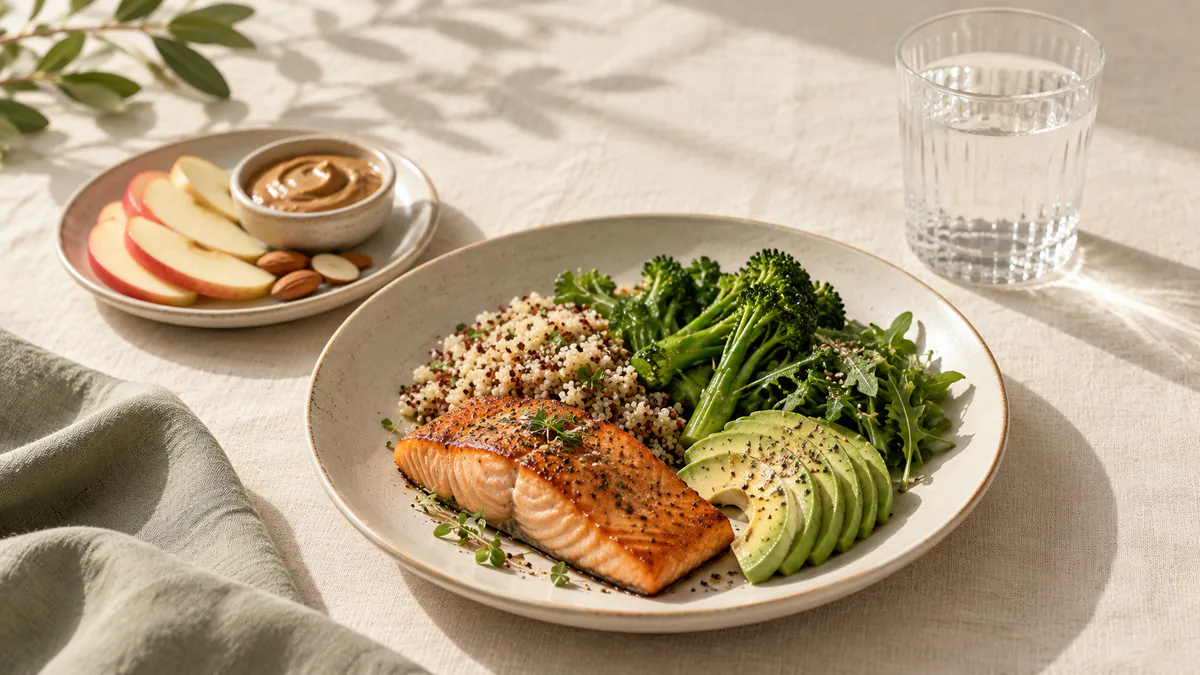
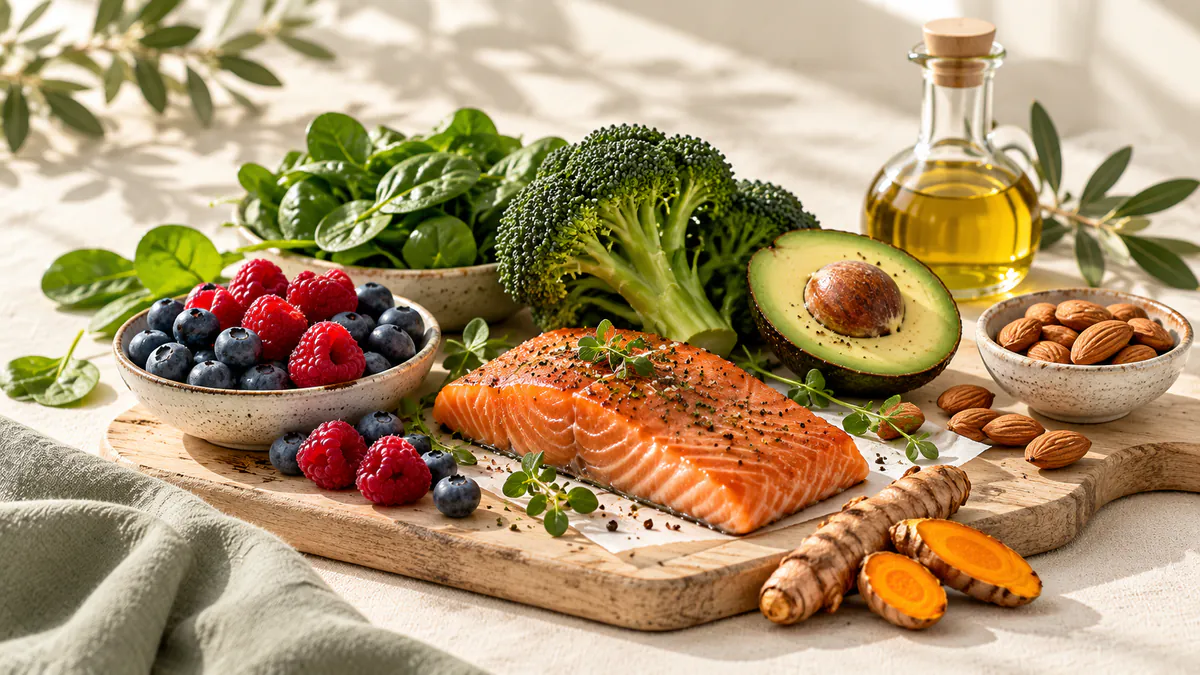
Foods such as vegetables, fruit, beans, whole grains, nuts, seeds, olive oil, and fish fit into dietary patterns associated with better cardiometabolic health. You do not need exotic powders or an expensive list of superfoods.
A useful first step is to build more meals around plants and fiber, with a protein source that works for your needs. Try replacing a highly processed snack with fruit and nuts, or choosing water more often than a sweetened drink.
No one meal will determine your long-term health. What you eat consistently matters more.
Keep moving in ways your body can manage
Regular physical activity supports cardiovascular and metabolic health. It also helps maintain strength, mobility, and independence.
For some people this means a brisk walk and a few strength sessions each week. For others, it may begin with gentle movement after a period of illness or inactivity. The important part is choosing an appropriate starting point and building from there.
Make room for sleep and recovery
Sleep deserves as much attention as nutrition and exercise. A predictable sleep schedule and enough time in bed can make everyday routines easier to maintain.
If sleep remains poor despite changes in routine, or if you are persistently tired, it is worth discussing the problem rather than assuming you need another supplement.
Stress and connection matter, too
Stress can affect sleep, appetite, attention, and the choices we make throughout the day. I encourage people to find small, realistic ways to recover, whether that is spending time outdoors, talking with someone they trust, practicing a breathing exercise, or protecting a little unscheduled time.
These habits are valuable in their own right. We do not need to promise that every enjoyable moment will lower a particular inflammatory marker.
Be thoughtful about supplements and trends
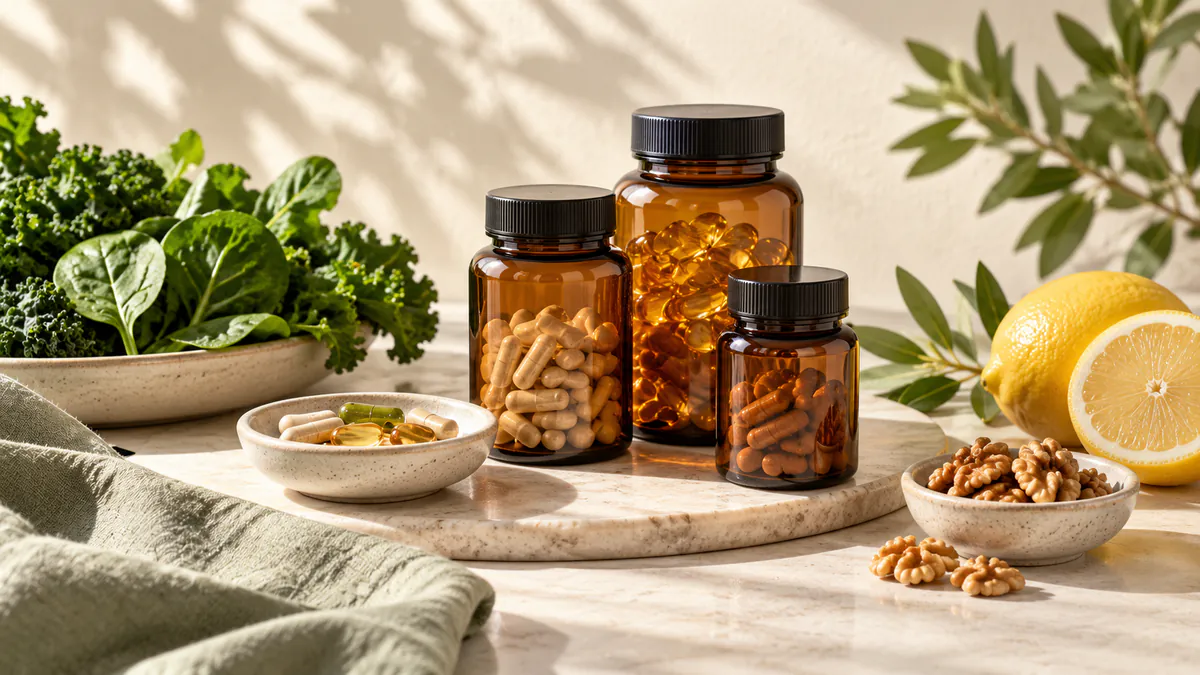
Omega-3 products, curcumin, vitamin D, and other supplements are often promoted for inflammation. Their evidence, benefits, and risks differ. Some may be appropriate in specific circumstances, but none should replace a medical evaluation or the basics of care. Medication interactions and product quality matter.
If you have persistent pain, swelling, fever, unexplained weight changes, or other concerning symptoms, seek medical assessment rather than trying to treat a presumed inflammatory problem on your own.
For most of us, an anti-inflammatory lifestyle is less dramatic than the marketing suggests. It looks like nourishing meals, movement we can sustain, sufficient sleep, and attention to the rest of life.